 Photo: Jakub Kapusnak / Unsplash
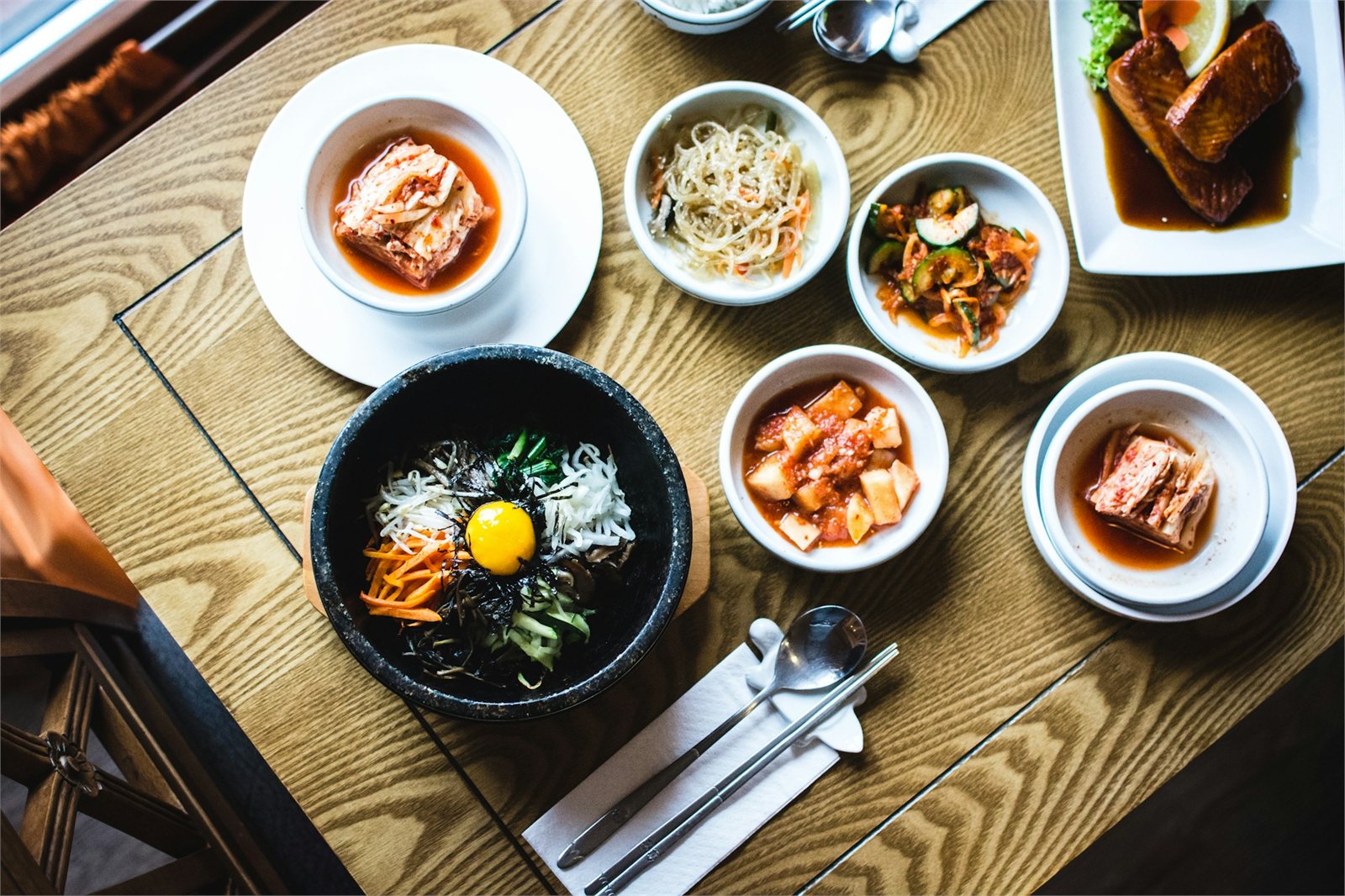
01bee-bim-bap
Bibimbap
비빔밥Rice topped with seasoned vegetables, protein, and gochujang—mixed together just before eating.
An independent guide to hansik
Meet the dishes, ingredients, rituals, and regional stories that make Korean food one of the world's most generous cuisines.
The clear answer
Korean food, or hansik (한식), is the cuisine of Korea. An everyday table is commonly organized around rice, soup or stew, a main dish, and shared banchan. Fermentation, seasonality, and balance—not simply heat—shape its flavors.
Kimchi is a frequent companion, but hansik also spans grilled meat, noodles, seafood, royal and temple cuisines, street snacks, and distinct regional traditions.
Source: VISITKOREA, “About Korean Food”Six excellent first orders
Names, flavors, and useful context—so you can order with curiosity, not guesswork.
Photo: Jakub Kapusnak / UnsplashRice topped with seasoned vegetables, protein, and gochujang—mixed together just before eating.
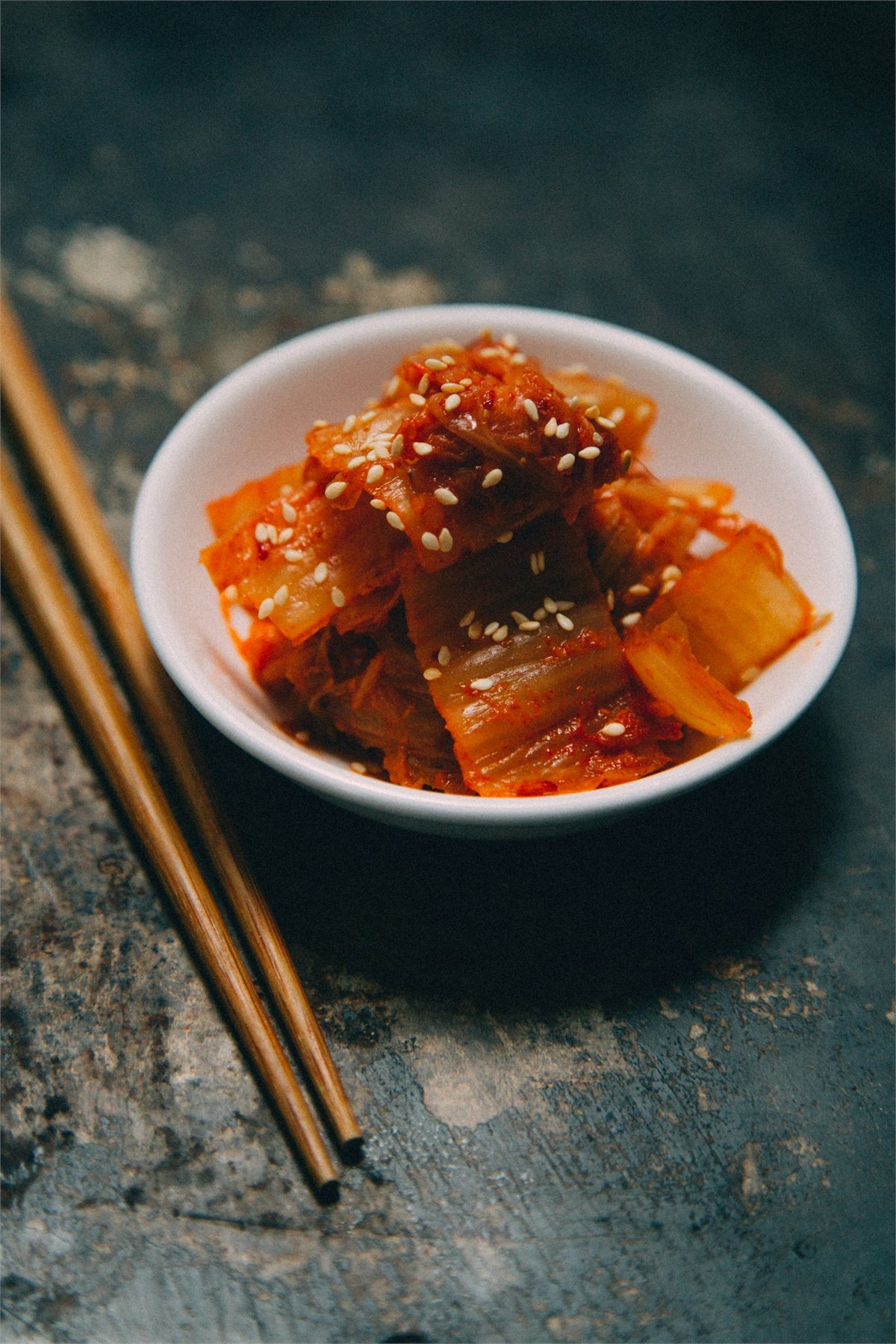 Photo: charlesdeluvio / Unsplash
Seasoned, fermented vegetables with lively acidity, savory depth, and hundreds of regional variations.
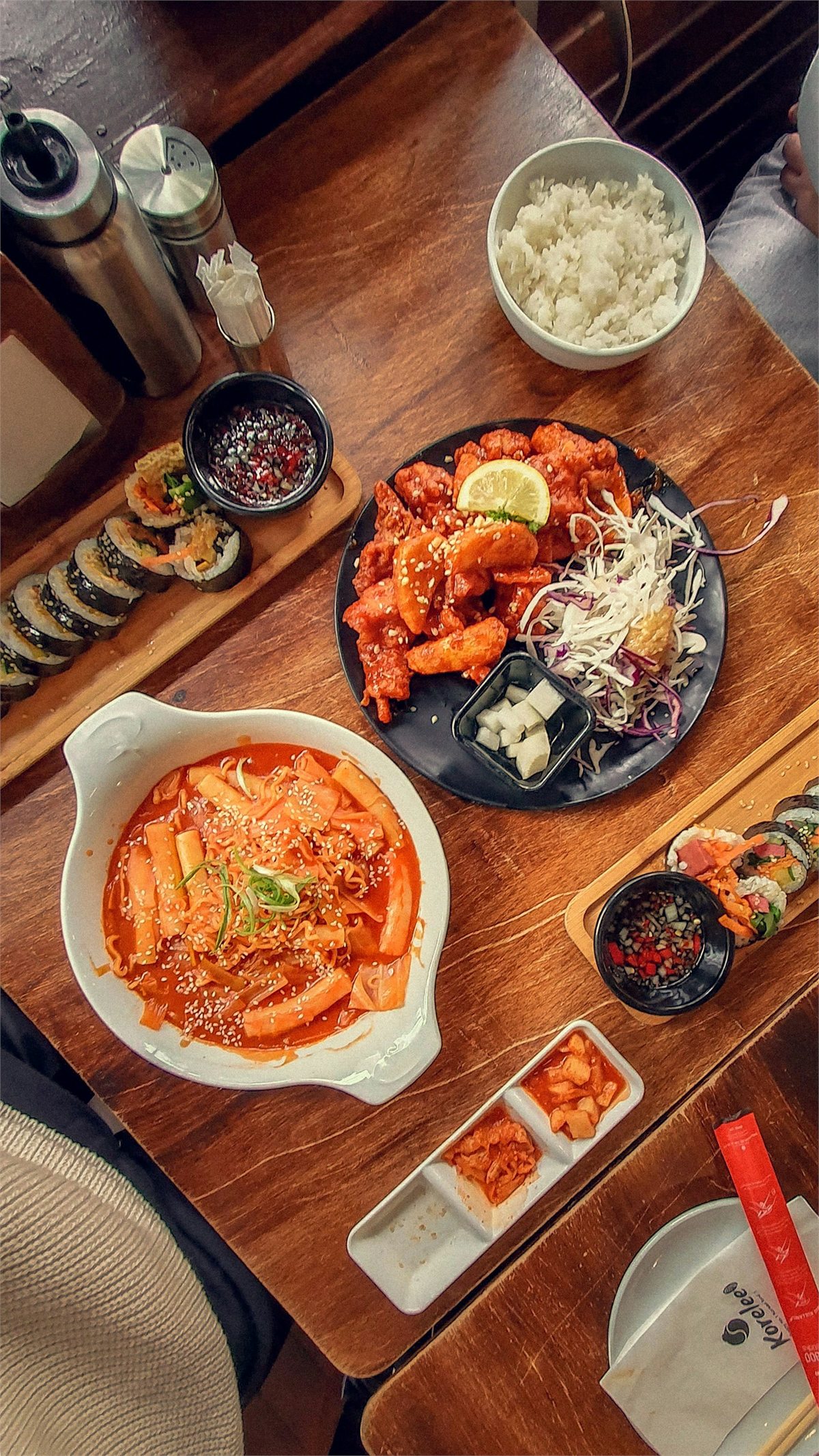 Photo: Hakam Magdea / Unsplash
Chewy rice cakes simmered in a glossy, sweet-hot gochujang sauce—an essential street-food snack.
 AI-generated editorial image
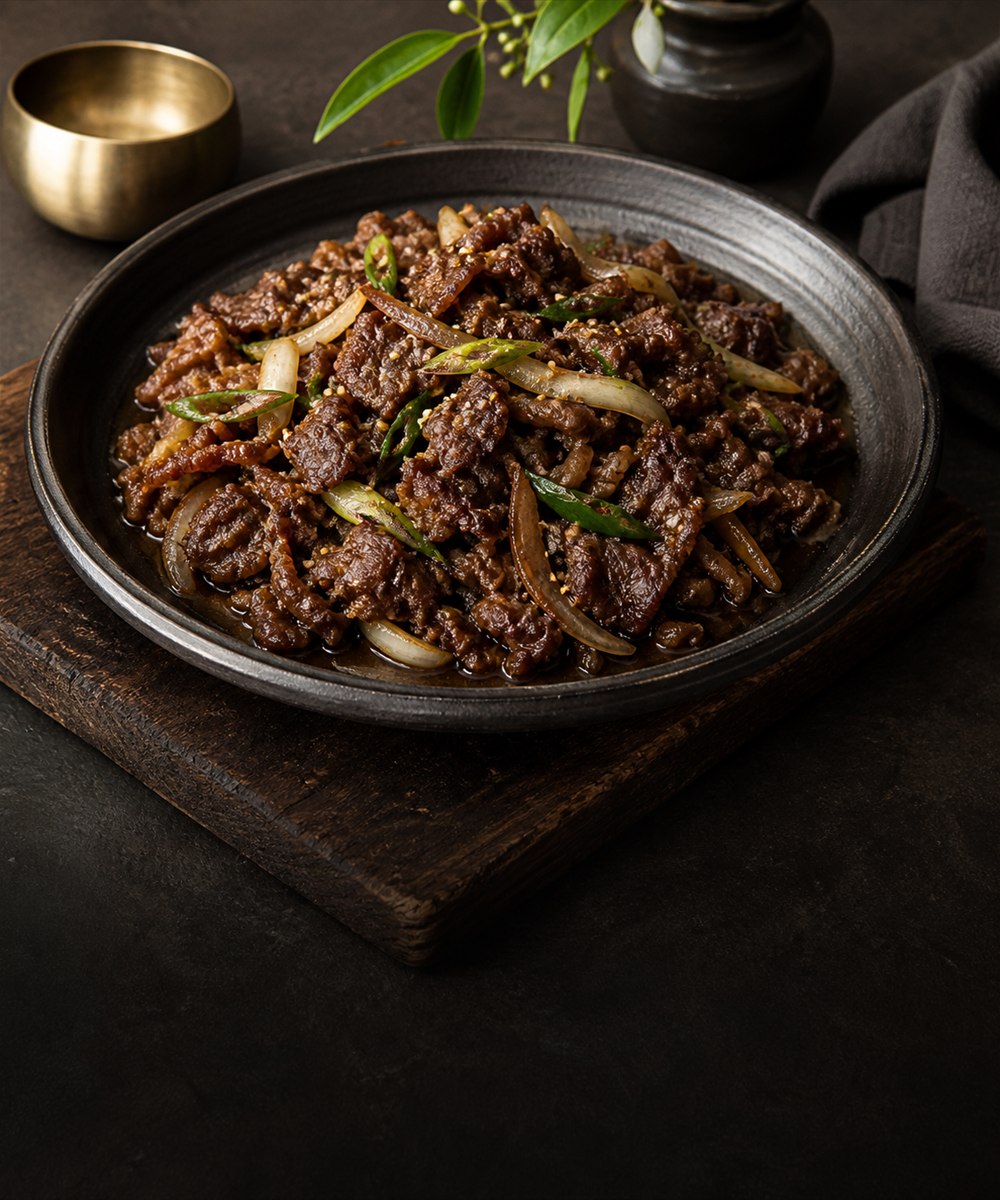
Thin slices of beef marinated in soy sauce, pear, garlic, and sesame, then cooked until caramelized.
 AI-generated editorial image
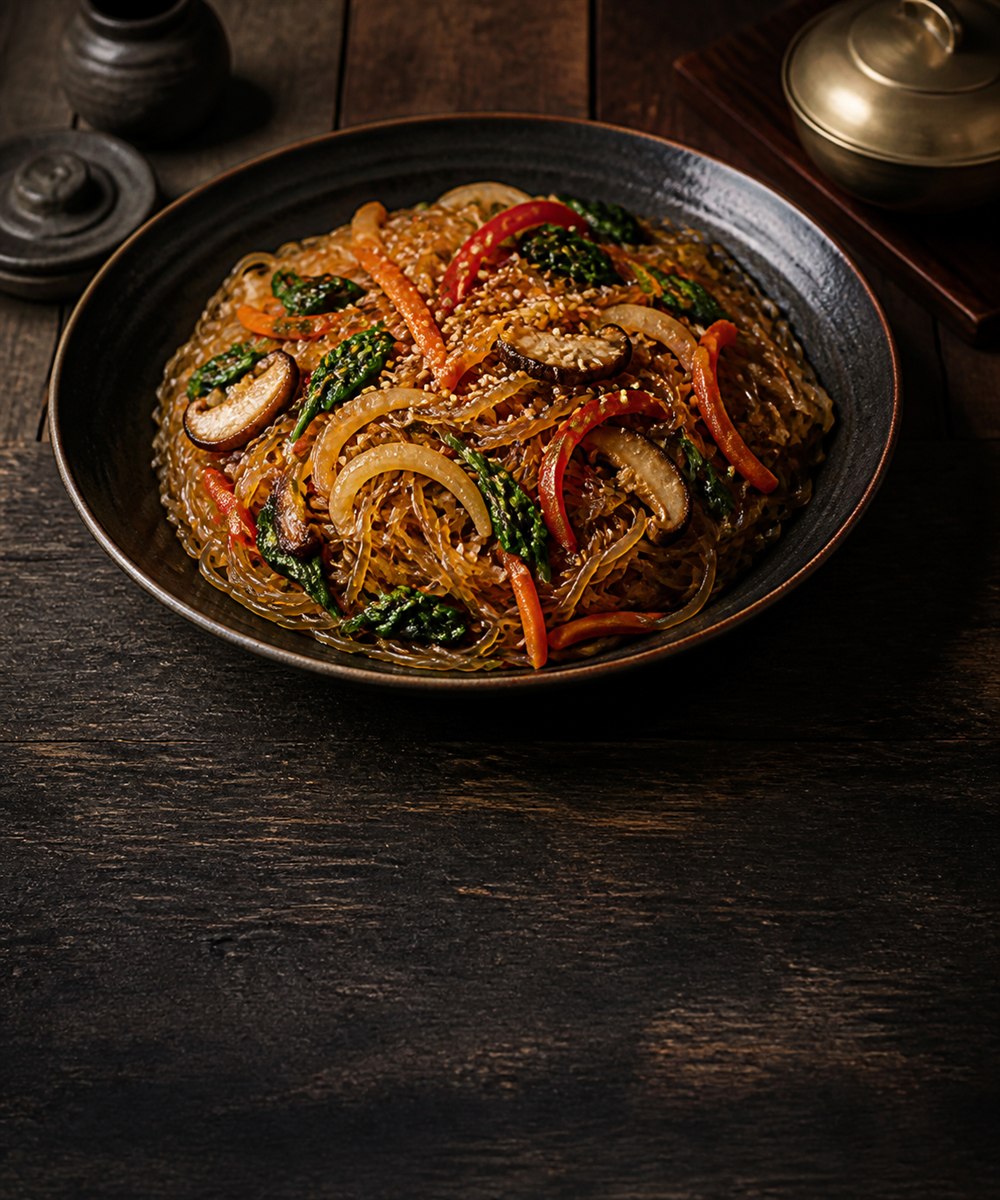
Springy sweet-potato noodles tossed with vegetables, soy sauce, and toasted sesame oil.
 AI-generated editorial image
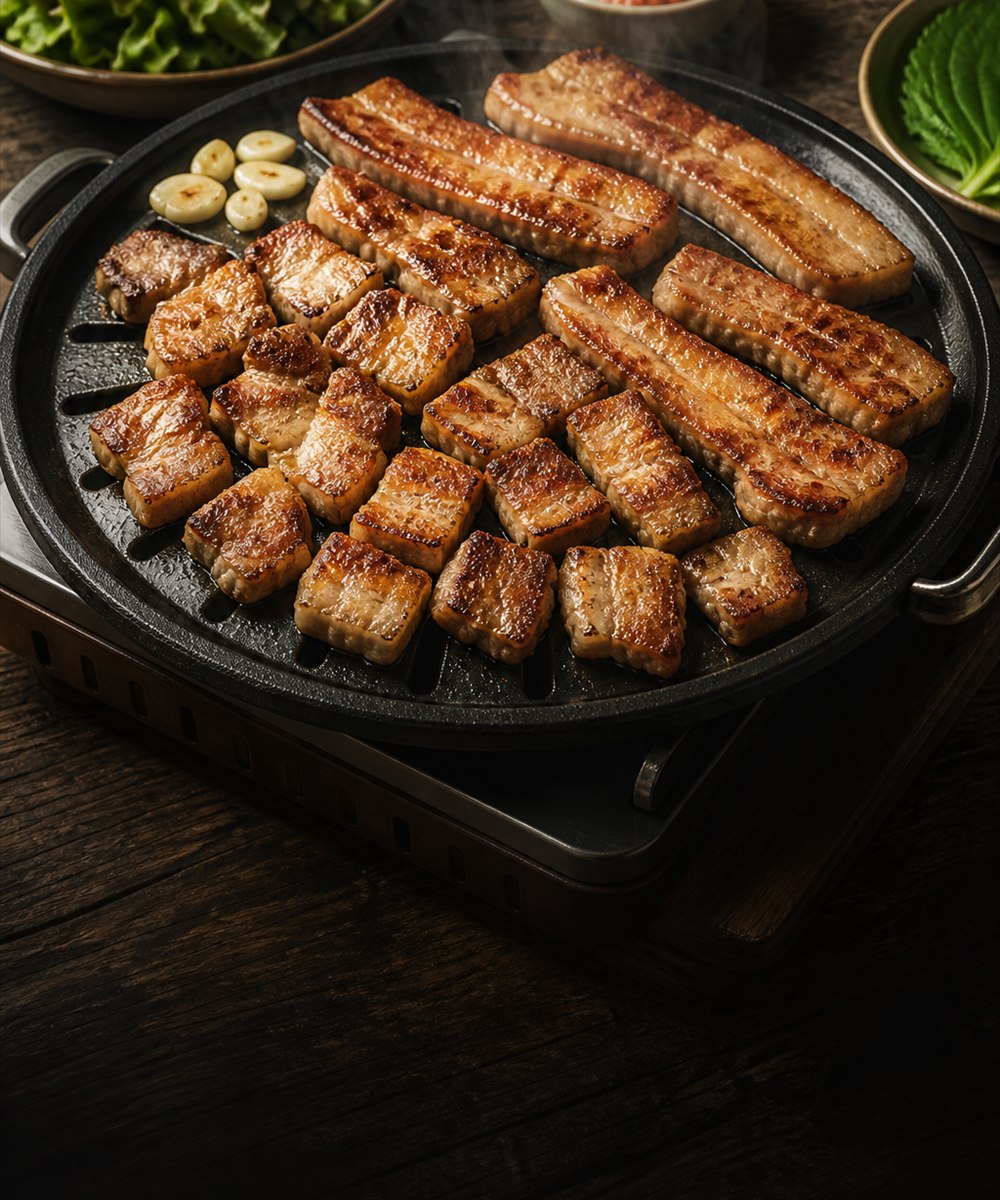
Pork belly grilled at the table, wrapped in lettuce, and layered with garlic, ssamjang, and shared sides.
Flavor, decoded
Korean cooking builds contrast: fermented depth against fresh crunch, chile warmth against gentle broth, toasted sesame against bright vinegar. The aim is often balance across the table, not one dominant flavor in every bowl.
Fermented chili paste
Fermented soybean paste
Korean soy sauce
Sun-dried chili flakes
Toasted sesame oil
The 5-minute dining guide
Korean dining is generous and communal. There is no exam to pass; notice what is shared, follow the table's rhythm, and enjoy the contrasts.
The many side dishes stay within everyone's reach.
Take small portions and try several flavors together.
A spoon suits rice and soup; chopsticks suit the shared dishes.
Grill, wrap, season, and pass good bites around the table.
Five places, five appetites
Geography shapes the pantry. Trace mountain grains, coastal soups, market classics, and the singular table of Jeju Island.
Refined, balanced, quietly savory
Generous banchan and bold fermentation
Mountain grains, potatoes, and buckwheat
Brisk seasoning and a coastal appetite
Sea, volcanic land, and clean flavors
Photo: charlesdeluvio / UnsplashFood as living heritage
Kimjang (김장) is the late-autumn practice of preparing and sharing large quantities of kimchi for winter. It carries family knowledge, regional ingredients, cooperation, and a deep sense of season.
UNESCO inscribed “Kimjang, making and sharing kimchi in the Republic of Korea” on the Representative List of the Intangible Cultural Heritage of Humanity.
Quick answers
Straight answers to help first-time diners choose well and avoid common surprises.
Clear definitions, primary sources, useful caveats, and no paid restaurant placements.
No. Many well-known dishes are spicy, but bulgogi, japchae, samgyetang, seolleongtang, mandu, and numerous vegetable dishes are mild. Heat can also be adjustable in dishes such as bibimbap.
Hansik (한식) means Korean food or Korean cuisine. It includes everyday home cooking, royal and temple cuisines, street food, barbecue, regional specialties, and contemporary dishes.
Not always. Traditional recipes may use fish sauce, salted shrimp, or other seafood. Vegan kimchi is widely available, but check the ingredients or ask before ordering.
Bibimbap is an approachable first dish because the gochujang can be added to taste. Bulgogi and japchae are also mild, familiar starting points, while a table barbecue introduces the shared style of Korean dining.
Banchan (반찬) are small side dishes served with rice. They are placed in the center of the table for everyone to share and may include kimchi, seasoned vegetables, braised dishes, pickles, or pancakes.
Yes, but ask about meat broth, fish sauce, and seafood seasonings. Temple cuisine is plant-based, and dishes such as bibimbap, japchae, tofu, pancakes, and vegetable banchan can often be prepared without animal ingredients.
Your seat is ready
Begin with a bowl, taste everything once, and let the shared dishes lead the conversation.
Choose your first dishIn-depth Korean food guides
Explore 15 original, source-backed guides to table structure, ingredients, menu language, regional food, dietary needs, and confident ordering.
Browse every guideKorean Food Journal
Follow ingredients, seasons, traditions, and menu language through original, source-backed English stories.
Visit the journalKorean drink culture reaches far beyond soju. Sweet rice punch, cinnamon and ginger punch, five-flavor berry tea, and cloudy fermented rice wine each belong to a different part of the table.
A bowl of miyeokguk can be breakfast, comfort food, or a quiet birthday message. Its meaning begins with care after childbirth and returns each year as a memory of birth, family, and home.
Removing meat, fish, and five pungent vegetables does not leave an empty cuisine. Korean temple food builds another vocabulary through season, fermentation, grains, tofu, mushrooms, sea vegetables, and care.
How this guide is made
Korean Food Guide is an independent multilingual editorial resource. We pair familiar dish names with Hangul and practical dining context, then link readers to primary cultural references for claims that benefit from verification.
Definitions, spice notes, dietary cautions, and table customs are written for international readers and checked against the visible source list.
Read our editorial policy ↗Substantive updates refresh the visible review date, structured data, and XML sitemap together.
About Korean Food Guide ↗